
3 May 2025
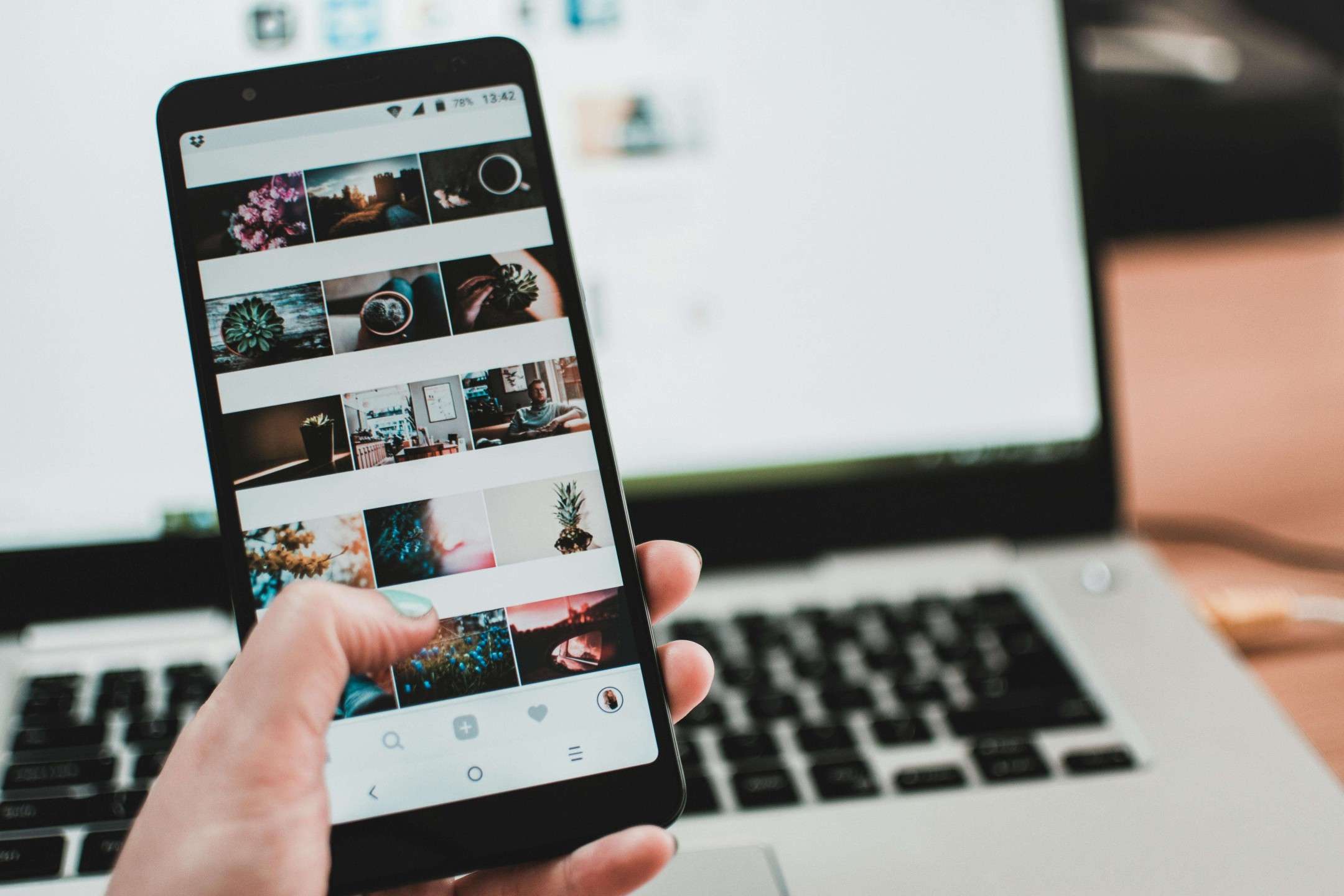
Think about the last time you searched for something online. Chances are, you used your phone. More and more people are turning to their mobile devices for everything, from finding local services to shopping for their next big purchase.
In fact, mobile devices now account for over 60% of global website traffic according to Statista. This highlights the importance for businesses to make sure their websites are built with mobile users in mind first.
If you want to keep up (and stay ahead) in 2025 and beyond, it’s time to prioritise mobile-first design, and Digital Marketer Bee is here to help you every step of the way.
What is Mobile-First Design?
At its core, mobile-first design is exactly what it sounds like: it’s about designing your website for mobile phones first, and then making it even better for bigger screens like tablets and computers.
Instead of creating a full-blown desktop site and squishing it down to fit a mobile screen, which usually leads to a messy experience, you start by focusing on what really matters for mobile users: clean layouts, fast loading, and easy navigation. Then, once the essentials are locked in, you can add a few extra design flourishes for larger screens.
Key Characteristics of Mobile-First Design
Before diving deeper, let’s quickly walk through what makes mobile-first design so powerful:
Starts with Mobile Wireframes, Then Scales Upward
Mobile-first design flips the traditional approach on its head. Instead of designing a big, beautiful desktop site and squeezing it down for phones, you start with a simple, streamlined version for mobile. From there, you build upward, adding more features and visual elements as screen space allows.
Prioritises Performance, Simplicity, and Usability
Mobile-first websites are built to be lightning-fast and super easy to use. With limited space and attention spans, every detail, from navigation to content, is designed to be simple, intuitive, and lightning-quick.
Focuses on Core Content and Features
Focus initially on targeting less competitive, long-tail keywords to gain traction and build authority. As your site’s credibility grows, gradually aim for more competitive keywords to expand your reach.
Use Structured Data
Mobile-first forces you to cut through the clutter. When you’re designing for a small screen, there’s no room for unnecessary bells and whistles. Instead, you focus on the most important information and actions your users need.
Encourages Thoughtful Design Decisions by Limiting Screen Space
When you’re working with limited digital real estate, every decision counts. Mobile-first design encourages smarter choices about layout, images, buttons, and content so that every piece serves a clear purpose.
What is Responsive Design?
Now, you might be wondering — what about responsive design? That’s important too!
Responsive design is focused on making sure your website automatically adapts to different screen sizes. Whether someone’s using a phone, tablet, laptop, or desktop, a responsive website reshapes itself so everything still looks great and works properly.
It uses smart tools like flexible grids, fluid images, and media queries to rearrange your content depending on the device. It’s less about building a separate site for mobile and more about making one site that adjusts itself smoothly.
Here’s the big difference between these two concepts:
- Mobile-first is a strategy: You plan and build the mobile experience first.
- Responsive is a technique: You make sure the site looks good on any screen.
Ideally, you want both working together. Mobile-first thinking ensures a strong mobile foundation, and responsive design keeps your website looking and working beautifully across all devices.
Mobile-First vs. Responsive: What’s the Difference?
Let’s break it down a little more because understanding this difference will help you make smarter choices for your business:
- Starting Point: Mobile-first starts with the smallest screens and grows from there. Responsive design often starts with the full desktop experience and adjusts downward for mobile devices.
- User Experience: Mobile-first design creates a better experience for phone users because the mobile layout is intentional and not simply an afterthought. Responsive design can sometimes feel “shrunk down” if it wasn’t built with mobile-first thinking.
- Prioritisation: Mobile-first strips away anything unnecessary from the start. Responsive sometimes tries to include everything from desktop, which can overwhelm mobile users.
- Performance: Since mobile devices have smaller screens and often slower internet connections, mobile-first design places a strong emphasis on performance, simplicity, and usability. Websites built with mobile-first principles load faster, are easier to navigate, and create a much better experience for users on the go.
- Search Engine Optimisation: Due to the growing number of people who prefer to use mobile devices instead of desktop computers for their online searches, Google has started rewarding sites that offer a great mobile experience. This means that a true mobile-first site often has a clear advantage in terms of search engine rankings..
Although both web design approaches are highly valuable, starting with mobile in mind gives you a serious edge today.
Why Mobile-First Matters
Mobile-first isn’t just a trend, it’s actually shaping the future of business online. Here’s why it’s more important than ever to embrace it:
Rise in Smartphone Use and Mobile Shopping
From ordering coffee to booking travel, people now expect to do everything on their phones. If your website doesn’t make it easy for them, you’re missing out on a huge slice of the market.
Google’s Mobile-First Indexing
Google’s made it clear: they rank and index the mobile version of your site first. That means if your mobile experience isn’t top-notch, your SEO (and your visibility) can take a serious hit, no matter how good your desktop site looks.
Impact on Bounce Rates, Engagement, and Conversions
When users land on a clunky, slow, or confusing mobile site, they leave immediately. A smooth, simple mobile experience keeps people engaged longer, encourages them to take action, and helps turn visitors into customers.
User Behaviour Trends: Quick Info Access and Short Attention Spans
Today’s consumers expect speed and simplicity. If they can’t find what they’re looking for within a few taps or swipes, they’ll move on to the next business, likely one with a better mobile experience.
How Mobile-First Helps Local Businesses
If you run a business in Albury, Wagga, or other regions in Australia, a mobile-first website can make all the difference. Local customers often search for services while they’re out and about, and they want quick answers. A mobile-optimised site can help you stand out and get chosen over competitors who still have clunky, desktop-first websites.
At Digital Marketer Bee, we build websites designed for today’s mobile-first world, from QuickBuild Websites for fast, professional launches to Custom Websites tailored to your brand and goals. Both are fully responsive, ensuring your business looks great and performs perfectly on any device.
Best Practices for Mobile-First Web Design
Building a great mobile-first website doesn’t have to be complicated. A few smart choices can make a big difference:
- Keep navigation simple and thumb-friendly: Big buttons, easy menus, and straightforward paths help users get where they want to go fast.
- Use legible fonts and large enough tap targets: Tiny text and cramped links are frustrating. Make everything easy to see and touch.
- Prioritise content hierarchy: Put the most important info (like your services, phone number, or booking button) front and centre.
- Optimise loading speed and images: Shrink image sizes, clean up code, and choose a fast host to keep your site speedy.
- Test on multiple devices and screen sizes: Just because it looks great on your iPhone doesn’t mean it looks great on a Galaxy or a tablet. Always double-check how your website looks and performs on different devices.
Common Mistakes to Avoid
At the end of the day, both SEO and Google Ads are designed to get people to your website. But how do they compare when it comes to clicks and trust?
Even with the best intentions, it’s easy to make mistakes when designing for mobile. Here are some pitfalls you’ll want to steer clear of:
Designing for Desktop First
It’s tempting to start with the big, pretty desktop layout. But trust us, it leads to all sorts of mobile headaches. Always think mobile-first.
Overloading Mobile Screens with Too Much Content
Always remember that less is more. A crowded mobile screen overwhelms visitors. Keep it clean, focused, and easy to navigate.
Ignoring Mobile Performance Issues
Speed matters. If your site takes too long to load on a mobile connection, users won’t wait. They’ll leave, leading to high bounce rates. Make performance a top priority.
Real World Examples
If you’re wondering whether mobile-first design really works, just look at some of the biggest brands out there that were able to achieve digital growth and success by prioritising a mobile-first design.
- Airbnb: Airbnb’s mobile-first design makes it incredibly easy to find and book a place to stay. Simple menus, stunning visuals, and a focus on usability keep users happy no matter what device they’re on.
- Shopify: Shopify knows e-commerce customers expect fast, easy shopping on mobile. That’s why for their mobile-friendly website, they prioritised clarity, simplicity, and effortless browsing.
- Slack: Slack’s website is another prime example of an effective mobile-first platform. It’s clean, easy to navigate, and optimised for fast loading, everything that today’s mobile users expect to see and experience on a modern website.
Ready to Go Mobile-First?
At the end of the day, mobile-first design isn’t just about keeping up with trends. It’s about building a better experience for your customers and helping your business grow.
If your website isn’t mobile-friendly yet, it’s time to get a website audit to identify all of its accessibility and functionality issues. Or better yet, make the switch to a mobile-first website.
Trust us — your future customers (and your bottom line) will thank you.
Need help making your website mobile-first? Let’s talk. Contact Digital Marketer Bee today and let’s create a website your customers will love, no matter where they find you.

Author
Bee bowman
Bee is a digital strategist passionate about helping brands grow through thoughtful design and smart marketing. With a focus on websites, SEO, and paid media, they turn digital spaces into real business results.
Share this post
More insights


And Why It’s Not as Complicated as It Sounds

A high-performing website isn’t just about good looks—it’s about strategy. At Digital Marketer Bee, we’ve helped businesses across various industries turn underperforming websites into lead-generating machines through a smart mix of UX-focused design, SEO, and targeted digital marketing. If your website isn’t delivering results, chances are a few strategic tweaks could make all the difference.
According to a recent post from the United Nations (and also an open challenge), affordability and accessibility to technology are the two main obstacles to digital access and inclusion.