
3 May 2022
On this page
If you’ve ever started a website project and found yourself stuck on what to tackle first (layout or content), you’re not alone.
Some rush into design with bold visuals and sleek wireframes, while others start with long-form content and try to fit it in later. Unfortunately, both approaches can hit snags when things don’t quite line up.
The truth is, great websites aren’t built in silos. Design and content need to work together from day one.
In this article, we’ll break down the pros and cons of both approaches and show you why a hybrid method is often the smartest way forward.
What Happens When You Go Layout-First
A design-first approach is all about the user. You’re prioritising interface, flow, and functionality before words hit the page. It’s a great option when usability is the focus, or if you’re building something that needs to feel polished, fast.
Advantages:
- Built for UX from Day One
You get a head start on wireframes, structure and interaction. It’s perfect for mapping user journeys and designing conversion flows that just work. - Faster Prototyping
You can mock up a layout quickly, even with placeholder text, then test, refine, and collaborate early with developers and stakeholders. - Clear Content Boundaries
Writers get direction upfront. They know how long the hero text should be, how many bullet points a card needs, or where the testimonials will live. - Modular-Friendly
It suits design systems and repeatable components. Think of scalable websites where structure matters more than individual storylines.
Disadvantages:
- Content May Not Fit Nicely
Real messages aren’t always neat. Writers may end up squeezing words into restrictive layouts, which hurts clarity and tone. - Style Over Substance Risk
You can end up with a stunning site that doesn’t say anything meaningful, or worse, misses the message entirely.
What Happens When You Go Content-First
A content-first approach starts with the message. It’s perfect when storytelling, SEO, or brand voice drives the project. The structure is built around what the business needs to say, not just how it looks.
Advantages:
- Message Leads the Way
The layout supports the story, not the other way around. This makes it ideal for landing pages, blog-led websites, or education-based brands. - SEO + Accessibility Win
You’re thinking about keywords, structure, metadata and screen readers from the start. That’s a big boost for organic visibility and user experience. - Authenticity Comes Through
The brand voice gets to shine. You’re not tailoring your message to fit a box—you’re building the box around your message. - Fewer Rewrites Later
You won’t need to scramble for a new copy that “fits” the layout. The story is already solid.
Disadvantages:
- Design Teams Might Stall
Without a copy to visualise, designers may feel blocked, which can cause them to default to generic layouts. - It’s Harder to Picture
Stakeholders might struggle to visualise long-form pages without a visual framework to guide them.
So What Actually Works Best? The Hybrid Approach.
At Digital Marketer Bee, most of our website projects follow a hybrid process. It’s how we get that sweet balance of flow and function.
Here’s how it works:
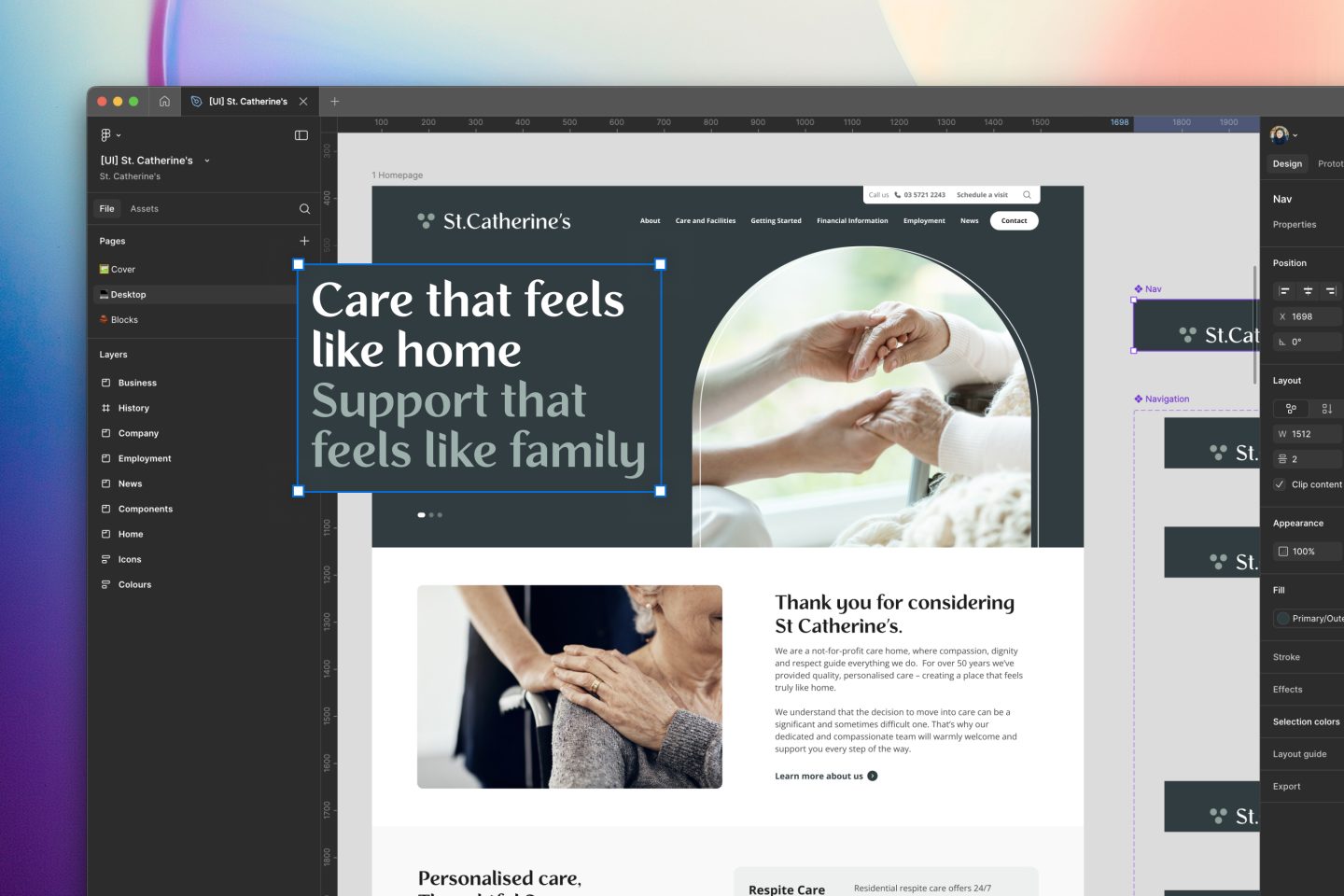
- We start with wireframes to define the structure, hero sections, testimonials, CTAs, and page blocks.
- Our content writers work alongside the designers, shaping drafts that support those structures.
- The layout evolves with the message, and the message adapts as needed to strengthen the design.
It’s collaboration, not compromise. And the result? A site that looks sharp, sounds right, and works hard from day one.
Final Word: It’s Not Either/Or, But Both
Think of it this way: A layout-first approach is like building a stage before the script is finished. A content-first approach is like writing a brilliant play, then hoping the set design catches up.
The real magic happens when the script and stage come together from the start. If you’re building a website that needs to perform visually, strategically and commercially, we’d love to show you how we do it. Book a strategy session with Digital Marketer Bee and let’s build something that actually works.

Author
Bee bowman
Bee is a digital strategist passionate about helping brands grow through thoughtful design and smart marketing. With a focus on websites, SEO, and paid media, they turn digital spaces into real business results.
Share this post
More insights


And Why It’s Not as Complicated as It Sounds


A high-performing website isn’t just about good looks—it’s about strategy. At Digital Marketer Bee, we’ve helped businesses across various industries turn underperforming websites into lead-generating machines through a smart mix of UX-focused design, SEO, and targeted digital marketing. If your website isn’t delivering results, chances are a few strategic tweaks could make all the difference.